
latest cybersecurity dashboards for small business compliance deliver concise, actionable metrics—asset inventory, patch and vulnerability status, MFA adoption, backup health and incident timelines—so small teams can prioritize fixes, generate audit-ready exports, and reduce response time with minimal cost and setup.
latest cybersecurity dashboards for small business compliance can look overwhelming — but what if a clear dashboard helped you spot risks in minutes? Curious? I’ll share practical checks and quick wins you can use today.
Key compliance metrics every dashboard should show
latest cybersecurity dashboards for small business compliance should present clear metrics you can act on in minutes. Good metrics cut guesswork and save time.
Focus on simple numbers that show risk, work to do, and proof for audits.
Asset inventory and exposure
A reliable dashboard lists all devices, accounts, and cloud services. Knowing what you have is the first step to control risk.
Highlight missing inventory, off-network devices, and internet-facing systems so you can prioritize fixes.
Patch and vulnerability status
Track patch coverage and vulnerability severity at a glance. Aim to spot the most urgent gaps first.
- Unpatched devices by criticality (count and percent)
- Open vulnerabilities grouped by severity
- Time since last scan and average time to remediate
- Top affected applications or systems
These items help you decide what to patch now and what can wait. A simple color code (green/yellow/red) makes status obvious.
Next, monitor protection tools: antivirus coverage, firewall health, and intrusion alerts. If an endpoint lacks protection, mark it for immediate action. Keep backup status visible so data recovery is never a surprise.
Access controls and user security
Show user access anomalies, privileged accounts, and multi-factor authentication adoption. Dashboards should flag inactive accounts and recent privilege changes.
Include metrics for password hygiene checks and failed login spikes to spot potential breaches early.
Finally, audit logs and incident response metrics tie everything together. Display recent incidents, mean time to detect, and mean time to respond. These figures prove your process works and show where to improve.
Keep the dashboard focused on a few high-value metrics: asset inventory, patch status, protection coverage, access controls, backup health, and incident metrics. That mix gives a clear, actionable view of compliance and risk.
How to choose a dashboard that fits small budgets

latest cybersecurity dashboards for small business compliance should match your needs and your wallet. Pick tools that show what matters without extra cost.
Start small, focus on must-have metrics, and avoid features you won’t use yet.
Set clear compliance goals
Decide which rules you must meet and which reports auditors expect. This guides which dashboard features are essential.
Prioritize cost-effective features
Not every dashboard needs every bell and whistle. Look for functionality that gives the best return on a tight budget.
- Core metrics like patch status, asset list, and MFA coverage
- Automated scans and simple alerting to save manual work
- Clear export or report options for audits
- Role-based views so staff see only what they need
Choose features that reduce time spent on checks. A smaller set of reliable metrics beats many noisy widgets.
Think about deployment costs. Cloud SaaS dashboards cut setup time but may charge per user. Open-source tools can be cheaper upfront, but factor in maintenance and hosting.
Check integration options. A dashboard that links to your antivirus, backup, and identity tools will give a fuller picture without manual updates.
Evaluate ease of use and support
Small teams need tools that are simple to run. Look for clear interfaces, templates, and responsive support that fits your schedule.
- Free trials or demo accounts to test setup time
- Step-by-step guides and community help
- Affordable support plans or pay-as-you-go options
Trial the dashboard with a checklist of tasks: add assets, run a scan, generate a compliance report. This reveals hidden costs and training needs.
Also consider scaling. Pick a dashboard that grows with you or allows easy migration to a higher tier. That avoids costly swaps later.
Keep your focus on practical value: low setup time, clear compliance outputs, and manageable ongoing costs. With that approach you can pick a dashboard that fits small budgets and keeps you audit-ready.
Integrating dashboards into daily operations and audits
latest cybersecurity dashboards for small business compliance become useful when they fit daily work and audit needs. Embed simple checks into routines so the tool is used, not ignored.
Show clear, actionable items that staff can handle in minutes and auditors can trust.
Daily monitoring routines
Create a short morning checklist: alerts, patch backlog, backup status. Keep each task under five minutes.
Use live widgets to highlight new risks and recent changes. Small teams benefit from focused views, not clutter.
Audit-ready reporting
Prepare templates that export evidence for auditors: asset lists, timestamps, and remediation notes. Make exports one click away.
- Exportable logs with dates and event sources
- Snapshot of patch status and open vulnerabilities
- Summary of access control and MFA adoption
- Incident timeline with response actions
Automate weekly reports or schedule them before audits. Automation reduces last-minute work and errors.
Assign roles and views so technicians see details and managers see summaries. This keeps everyone focused on what matters.
Integrate alerts with communication tools so critical issues reach the right person fast. Quick notification cuts mean time to respond.
Keep short runbooks for common alerts near the dashboard. A one-page guide helps staff act with confidence during incidents.
Review dashboard thresholds and widgets regularly. Prune unused items and tune alerts so the dashboard stays relevant.
When dashboards drive daily checks and produce clean audit outputs, they become part of operations. That leads to steadier security and smoother compliance.
Quick setup tips and low-cost dashboard tools to start
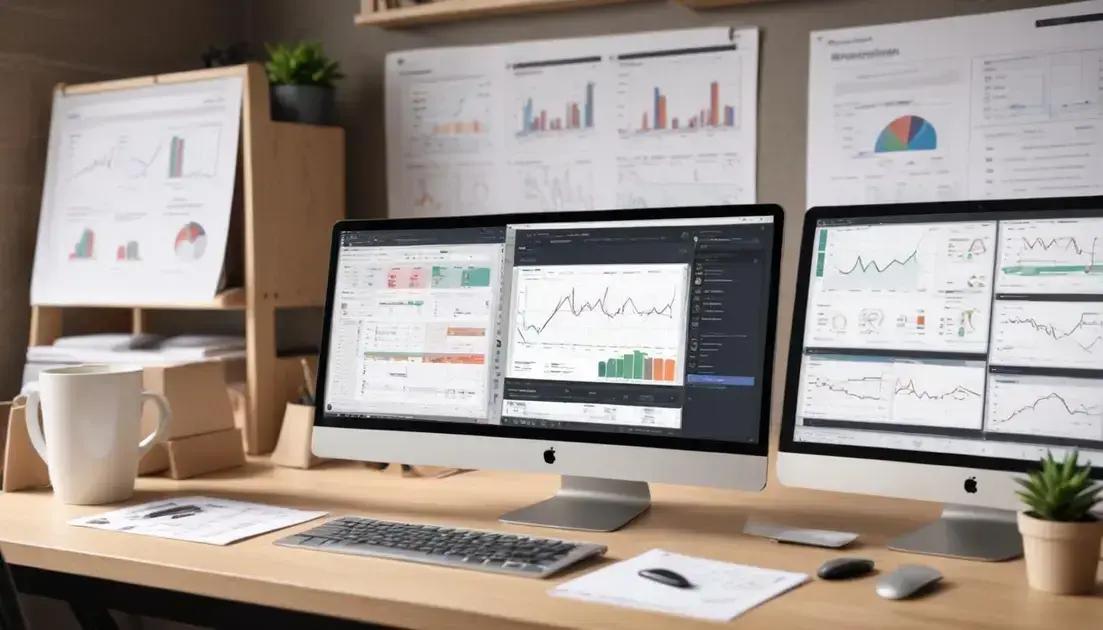
latest cybersecurity dashboards for small business compliance can be up and running quickly with a few focused steps. Start with what you must track and add features as you go.
Keep setup simple so staff adopt the tool and auditors get clear evidence when needed.
Fast setup checklist
Follow a short, repeatable sequence to get useful data fast. Limit the first pass to items that show risk and prove compliance.
- Enable asset discovery to list devices and cloud services
- Run an initial vulnerability scan and record results
- Connect antivirus, backup, and identity systems for core visibility
- Set up basic alerts for high-severity issues
These steps give a baseline view. Avoid loading every data source at once; it can overwhelm small teams.
Choose low-cost tools that provide real value
Look for dashboards with free tiers or low monthly plans. Prioritize tools that offer automated scans, simple reporting, and easy exports for audits.
Open-source options may cut subscription costs, but budget for hosting and updates. SaaS tools save time and often include built-in integrations.
- Free tier or trial to test real work flows
- Prebuilt compliance templates or exportable reports
- API or connectors for your security tools to avoid manual updates
- Clear pricing that scales with growth
Try a short pilot with real data. Add a few users and test the main tasks: asset update, scan run, report export. This reveals time and cost trade-offs before full roll-out.
Make adoption painless
Create one-page guides for daily checks and common alerts. Assign a single owner for the dashboard to keep settings tidy and thresholds tuned.
Automate routine reports to land in a manager’s inbox. Small automation removes busywork and keeps compliance visible.
Finally, schedule a quick review after 30 days to remove noise, adjust alerts, and confirm the dashboard supports audits. Small tweaks early prevent churn and keep the tool useful.
Using the latest cybersecurity dashboards for small business compliance helps you spot risks and prove audits without extra work. Focus on a few key metrics, choose budget-friendly tools, fold dashboards into daily checks, and automate simple reports. Small steps and clear views cut risk and save time.
FAQ – latest cybersecurity dashboards for small business compliance
What are the must-track metrics on a compliance dashboard?
Track asset inventory, patch and vulnerability status, MFA adoption, backup health, and incident response times to spot risks and prove audits.
How can a small business start with limited budget?
Use free tiers or low-cost SaaS, run a short pilot with real data, enable core integrations, and focus on essential metrics to avoid extra costs.
How do dashboards help with audits?
Dashboards offer exportable logs, timestamped reports and remediation notes that make it faster to provide evidence and reduce audit prep.
Who should manage the dashboard and daily checks?
Assign one owner to maintain settings, create one-page runbooks for staff, and schedule brief daily checks so issues are addressed quickly.