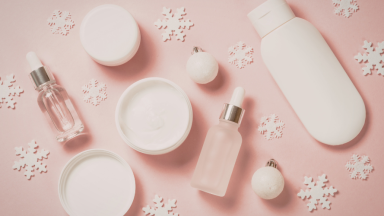
Latest arrivals in lifestyle products for modern consumers focus on integrating technology, sustainability, and personalization to enhance daily experiences while meeting eco-friendly expectations.
Latest arrivals in lifestyle products for modern consumers are shaping how we live, work, and play. Have you ever wondered how these innovative offerings can enhance your daily routine? Let’s dive into the exciting world of lifestyle products and discover what’s new.
Emerging trends in lifestyle products
When we talk about emerging trends in lifestyle products, we’re really diving into what’s new and exciting in today’s market. Consumers are always on the lookout for items that fit their evolving needs and preferences.
One noticeable trend is the rise of smart technology in everyday items. From smart home devices to wearables, technology is becoming integrated into our daily lives more than ever. These gadgets not only make our lives easier but also save time and energy.
Current Lifestyle Product Trends
As we explore the market, several trends stand out:
- Sustainable choices: More brands are offering eco-friendly alternatives, allowing consumers to make responsible choices.
- Personalized products: Customization is becoming prevalent, where consumers can tailor products to fit their personal style.
- Health and wellness: Products focused on physical and mental well-being are gaining traction.
An emerging favorite among consumers is multifunctional furniture. With many people living in smaller spaces, the demand for items that serve more than one purpose is increasing. This shift is influencing how furniture is designed and marketed.
Additionally, minimalist designs are trending. Clutter-free environments are appealing to consumers who value simplicity and functionality. Products that are both stylish and efficient resonate well in today’s market.
Social media also plays a key role in shaping trends. Platforms like Instagram and TikTok allow for instant sharing of ideas and products that go viral. This direct line to consumers promotes trends quickly, making companies adapt rapidly to what people want.
In conclusion, the landscape of lifestyle products is changing fast. From sustainable options to tech innovations, these trends are helping consumers create a balance between functionality and style. Keeping an eye on these trends not only benefits consumers but also assists brands in staying relevant in a competitive market.
Top brands revolutionizing the market
Numerous top brands are currently revolutionizing the market by introducing innovative lifestyle products. These companies are not only pushing boundaries but also redefining what consumers expect from their purchases.
One standout brand is Apple, known for integrating technology into every facet of daily life. Their range of products, from smartwatches to home automation systems, reflects a commitment to enhancing user experience through seamless design.
Innovative Brands to Watch
Let’s explore a few more brands that are leading the way:
- IKEA: Famous for its affordable and stylish furniture, IKEA is also focusing on sustainability with eco-friendly product lines.
- Dyson: Known for transforming household appliances, Dyson’s cutting-edge technology brings efficiency to cleaning products.
- Fitbit: As a leader in health and fitness, Fitbit products encourage a more active and mindful lifestyle.
These brands are not just selling products; they are creating experiences that resonate with consumers. For example, Google is enhancing smart home technology, allowing users to control their environment with ease. This integration makes modern living both convenient and enjoyable.
Moreover, Patagonia has gained attention for its dedication to sustainability, inspiring consumers to consider the impact of their purchases. This shift toward ethical consumption is something many brands are embracing as they navigate the evolving market.
Market disruptions by these brands highlight the importance of innovation and consumer engagement. With their forward-thinking strategies, they are setting new standards in the lifestyle product industry. As these trends continue to unfold, it is exciting to see how other brands will respond and adapt.
How to choose products that fit your lifestyle
Knowing how to choose products that fit your lifestyle can significantly enhance your daily experiences. It’s important to consider your unique needs and preferences.
The first step is identifying what aspects of your lifestyle you want to improve. Are you looking for items that boost your productivity or enhance your wellness? Once you have a focus, shopping becomes easier.
Key Factors to Consider
When evaluating potential purchases, keep these factors in mind:
- Functionality: Ensure the product serves a clear purpose that aligns with your daily activities.
- Quality: Choose products that are durable and reliable, as this can save money in the long run.
- Design: Select styles and aesthetics that complement your personal taste and home décor.
Next, consider your budget. Setting a budget helps narrow down options and prevents overspending. Look for products that offer the best value for your investment without compromising on quality.
Online reviews and recommendations can be incredibly helpful when making buying decisions. Make sure to read up on experiences from other consumers. This insight can guide you toward products that truly fit your needs.
Another aspect to factor in is sustainability. Many consumers today prefer eco-friendly options that have a lower environmental impact. Look for brands that prioritize sustainability and responsible sourcing when selecting your lifestyle products.
Lastly, don’t hesitate to test products when possible. Many stores offer trial periods or satisfaction guarantees. This approach allows you to see if a product genuinely fits into your life before making a final commitment.
Impact of technology on lifestyle products
The impact of technology on lifestyle products is profound and ever-growing. As innovations emerge, they change how consumers interact with various products daily.
For starters, many lifestyle products now integrate smart technology, making them more user-friendly and efficient. For example, smart home devices allow users to control lighting and temperature through their smartphones. This interaction not only enhances comfort but also promotes energy savings.
Key Technologies Shaping Lifestyle Products
Several technologies are currently influencing lifestyle products:
- Smart home technology: Devices like smart speakers and security systems improve home management.
- Wearable technology: Fitness trackers and smartwatches monitor health metrics, encouraging healthier habits.
- Augmented reality: This technology helps consumers visualize products in their space before making a purchase.
Moreover, the rise of e-commerce has transformed shopping experiences. Online platforms enable consumers to compare products easily, read reviews, and receive personalized recommendations.
Technological advancements in manufacturing also contribute to higher quality lifestyle products. Techniques like 3D printing allow for rapid prototyping, which means brands can innovate more quickly while responding to consumer demands.
With artificial intelligence, brands gain insights into consumer behavior, which helps them tailor products to meet specific needs. This trend reflects a shift toward more personalized shopping experiences that resonate with consumers.
As we observe these changes, it’s clear that technology is not just adding convenience; it’s reshaping lifestyles entirely. From smart kitchens to health-focused wearables, technology continues to transform the way we live, work, and play.
Sustainability in modern lifestyle products
Sustainability in modern lifestyle products is becoming increasingly important as consumers demand eco-friendly options. Brands are now focusing on sustainability to meet this growing expectation.
One major trend is the use of recycled materials. Many companies are repurposing plastics and fabrics, creating products that reduce waste and encourage recycling. This practice not only helps the environment but also appeals to conscious shoppers.
Key Sustainable Practices
Here are some sustainable practices that brands are adopting:
- Ethical sourcing: Companies are ensuring that materials are sourced from responsible suppliers who prioritize the environment.
- Energy-efficient production: Many brands are investing in technology that reduces energy consumption during manufacturing processes.
- Minimalist packaging: Reducing packaging waste has become a priority, and brands are opting for simpler, recyclable options.
Another aspect of sustainability is transparency. Consumers are now looking for brands that openly share their production processes and the impact on the environment. This transparency builds trust and encourages buyers to support companies that align with their values.
Additionally, sustainable lifestyle products often include durability as a key feature. High-quality items that last longer not only reduce waste but also save consumers money in the long run. Choosing products that are designed to endure can make a significant difference in personal carbon footprints.
Moreover, many brands are expanding their sustainability efforts by supporting community initiatives. These programs focus on education and awareness, encouraging consumers to live more eco-friendly lifestyles.
As sustainability continues to evolve, it is clear that modern lifestyle products must adapt to meet consumer expectations. This growth leads to a better future for our planet while ensuring that consumers have access to products that fit their values and needs.
FAQ – Frequently Asked Questions about Sustainability in Modern Lifestyle Products
Why is sustainability important in lifestyle products?
Sustainability helps reduce environmental impact and supports responsible consumption, ensuring that products can be used without harming the planet.
How can I identify eco-friendly products?
Look for certifications like Fair Trade, organic labels, or brands that openly share their sustainable practices.
What are some examples of sustainable materials used in products?
Common sustainable materials include bamboo, recycled plastic, organic cotton, and responsibly sourced wood.
Can sustainable products be stylish and functional at the same time?
Absolutely! Many brands are now creating stylish designs that prioritize both aesthetics and functionality while being environmentally friendly.