

Smart tools transforming video and image production enhance creativity, improve efficiency, and enable immersive experiences through AI, VR, and AR technologies, shaping the future of multimedia content creation.
Smart tools transforming video and image production are reshaping how creators engage with their audience. Have you noticed how these advancements elevate content quality? Let’s dive deeper into what these tools can do for you.
Emerging technologies in video and image production
Emerging technologies are revolutionizing video and image production, making it easier for creators to enhance their content. With the rise of smart tools, the landscape of multimedia creation is evolving rapidly. In this section, we will explore some key advancements.
Artificial Intelligence in Production
AI tools are streamlining editing processes and improving quality. For example, AI can automatically cut scenes, enhance colors, and even suggest music.
- AI-driven editing software
- Automated color correction
- Content tagging and organization
This technology not only saves time but also enhances creativity, allowing creators to focus on storytelling rather than technical details.
Virtual Reality and Augmented Reality
Virtual Reality (VR) and Augmented Reality (AR) are offering immersive experiences like never before. These tools allow creators to bring their audiences into the story. With VR, viewers can explore environments, while AR overlays digital images onto the real world.
- Immersive storytelling experiences
- Interactive content creation
- Enhanced viewer engagement
The integration of these technologies opens up vast opportunities for innovative content strategies.
Moreover, cloud-based solutions are making collaboration seamless across different locations. Teams can work together on projects in real-time, regardless of where they are. This not only fosters creativity but also increases productivity.
As we look ahead, the future of video and image production seems incredibly promising. With continuous advancements in technology, creators will have even more powerful tools at their disposal, enabling them to push the boundaries of what is possible.
How smart tools enhance creativity
Smart tools are transforming the way creators express their ideas. By providing intuitive features, these tools enable artists and videographers to explore new horizons in creativity. From automated editing to innovative design capabilities, the possibilities are endless.
Automation and Efficiency
One significant benefit of using smart tools is automation. Tasks that once took hours can now be completed in minutes. For instance, software can now analyze footage and generate edits based on a creator’s style.
- Speed up the editing process
- Focus on the creative process
- Reduce repetitive tasks
This allows creators to spend more time experimenting and developing their unique voice, which is essential in today’s fast-paced digital world.
Enhanced Collaboration
Smart tools also facilitate collaboration among creators. With cloud-based platforms, teams can work together in real time, sharing feedback and ideas without the need to be in the same location.
- Real-time editing and reviewing
- Easy sharing of content
- Access from anywhere with an internet connection
This not only enhances creative synergy but also broadens the input and perspectives that can influence the final product. Additionally, these tools often provide robust analytics, allowing creators to track engagement and optimize their content based on viewer feedback.
Furthermore, user-friendly interfaces and customizable options lead to seamless workflows. Whether through mobile apps or desktop software, creators find themselves able to manipulate content in ways that were previously unimaginable. With just a few clicks, they can transform ideas into stunning visuals that resonate with audiences.
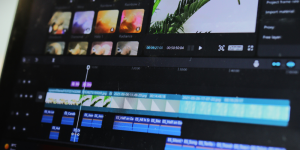
Best smart tools for content creators
For content creators, utilizing the best smart tools can greatly enhance productivity and creativity. These tools not only simplify tasks but also inspire new ideas. Let’s look at some of the top smart tools that are popular among creators today.
Video Editing Software
Video editing software has evolved rapidly. Today, tools like Adobe Premiere Pro and Final Cut Pro offer advanced features that streamline the editing process. They enable creators to make stunning videos with ease, thanks to features like:
- Automated scene editing
- AI-enhanced effects
- Color grading options
These tools are essential for video content creators who want to produce high-quality visual content efficiently.
Graphic Design Tools
Graphic design is another area where smart tools shine. Canva and Adobe Spark allow users to create eye-catching graphics without extensive design knowledge. They offer:
- Pre-made templates
- Drag-and-drop interfaces
- Collaboration features
This means anyone can create professional-looking designs, whether for social media or marketing materials.
Writing is also crucial for content creators. Grammarly and Hemingway Editor are fantastic tools for improving writing quality. They help with grammar, style, and readability, ensuring that your content is polished and engaging.
Lastly, project management tools like Trello and Asana help creators stay organized. These tools provide a structured way to manage tasks, set deadlines, and collaborate with team members. Effective organization is key to a successful creative process.
Integrating smart tools into your workflow
Integrating smart tools into your workflow can greatly enhance your productivity and creativity. Understanding how to incorporate these tools effectively is essential for maximizing their benefits. It’s not just about having the right tools, but also knowing how to use them efficiently.
Assess Your Needs
Before integrating any smart tool, it’s crucial to assess your specific needs. Consider the type of content you create and the areas where you face challenges. By identifying pain points, you can choose tools that address those specific issues.
- Specify your goals for content creation
- Determine your current workflow’s bottlenecks
- Identify tools that solve these problems
This tailored approach ensures that the tools you adopt will genuinely enhance your workflow, making you more efficient.
Start Small and Scale Up
When introducing new smart tools, it’s best to start small. Pick one or two tools to incorporate first. This way, you can test their effectiveness without overwhelming yourself. Once you’re comfortable, gradually scale up and add more tools.
- Choose user-friendly tools for initial adoption
- Train yourself and your team on these tools
- Gather feedback and adjust as needed
By taking it step by step, you can integrate technology smoothly into your routine, ensuring that everybody adapts without stress.
Furthermore, constant feedback is vital. Use performance metrics to evaluate how well these tools are aiding your workflow. Are you creating content faster? Is the quality improving? Regular assessments allow for ongoing adjustments, making the integration process dynamic.
Finally, don’t forget to educate your team. Sharing knowledge about smart tools ensures that everyone can take full advantage of their capabilities. Hosting training sessions or providing resources can be very effective.
Future trends in multimedia production
The future of multimedia production is exciting, with trends that promise to reshape how we create and consume content. Innovations driven by technology are fostering new methods of storytelling and engagement.
Increased Use of AI
Artificial Intelligence is set to play a significant role in multimedia production. From automating mundane tasks to generating rich content, AI can help creators focus on their ideas.
- AI-generated music and visuals
- Automated editing tools
- Content personalization for audiences
This technology opens doors to creative possibilities that were once unimaginable.
Immersive Experiences with VR and AR
Virtual Reality (VR) and Augmented Reality (AR) are transforming how audiences interact with content. These technologies allow users to dive into immersive environments, making storytelling more engaging.
- Interactive storytelling experiences
- Enhanced educational content
- Real-time audience interaction
As VR and AR become more accessible, creators will find new ways to captivate their viewers, breaking traditional barriers in storytelling.
Moreover, the demand for live streaming and real-time content is on the rise. Events, tutorials, and gameplay can be shared instantly with global audiences. This trend encourages direct engagement and fosters community building.
Another emerging trend is the focus on sustainability in multimedia production. As awareness of environmental issues grows, creators are seeking eco-friendly practices. This involves using energy-efficient technologies and sustainable materials in production processes.
Overall, the future of multimedia production promises to be dynamic and innovative. As technology continues to evolve, creators will have more tools at their disposal, leading to richer and more engaging content for audiences everywhere.
FAQ – Frequently Asked Questions about Smart Tools in Multimedia Production
How can smart tools enhance my multimedia production?
Smart tools streamline processes, automate tasks, and spark creativity, allowing you to focus more on your content.
What role does AI play in multimedia production?
AI assists with editing, personalization, and content generation, helping creators enhance the quality and efficiency of their work.
Are VR and AR suitable for all types of content?
Yes, VR and AR can be adapted for various formats, making storytelling more engaging across different genres and platforms.
How can I incorporate smart tools into my existing workflow?
Start by assessing your needs, then gradually introduce one or two smart tools before scaling up as you become comfortable.